
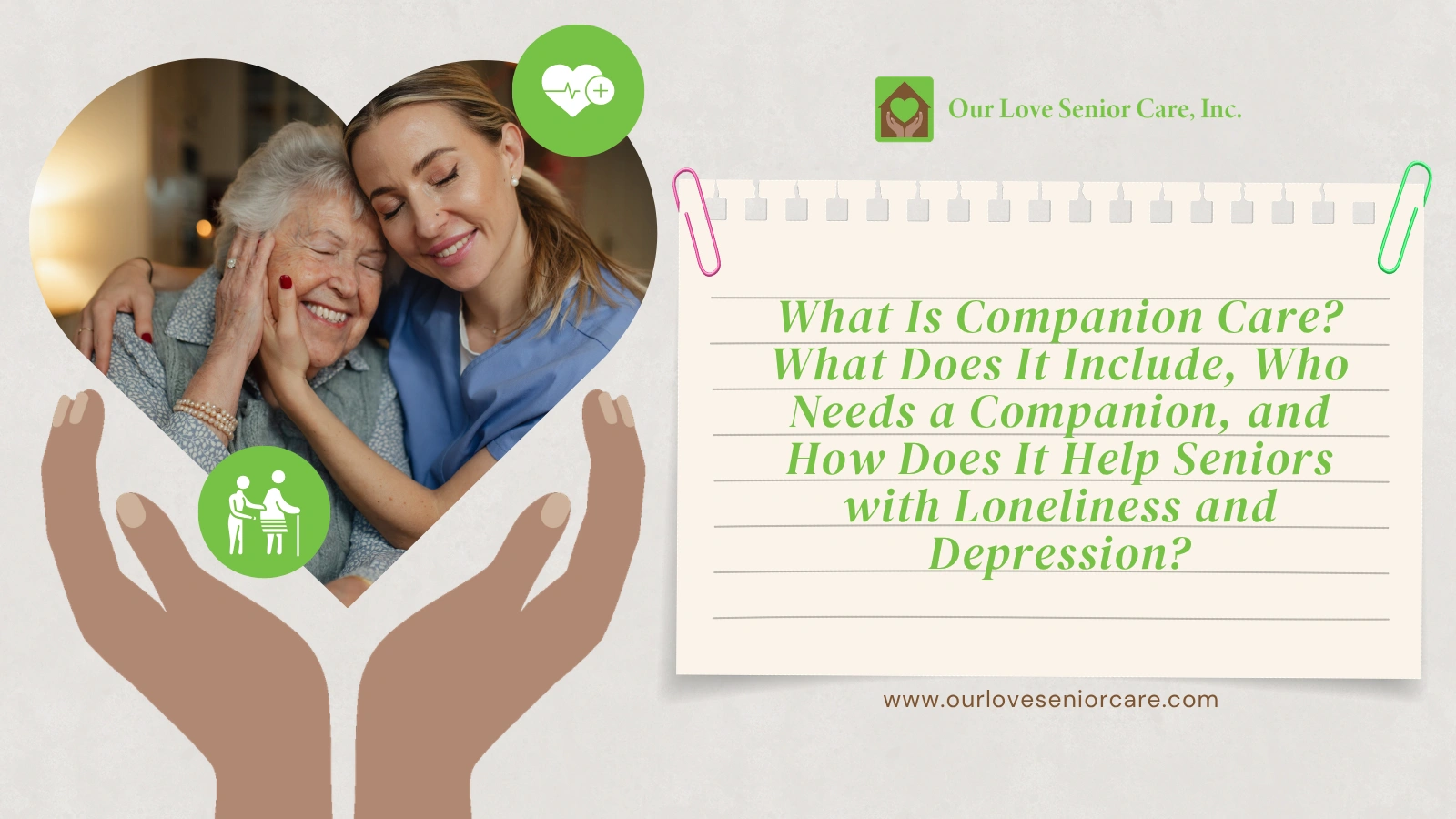
Aging at home can bring comfort and familiarity, but it can also lead to isolation when daily social interaction becomes limited. Many seniors in Marion County, FL spend long hours alone due to family schedules, mobility limitations, or health conditions. Over time, this lack of connection can affect emotional and physical well-being.
Companion care provides non-medical support focused on conversation, engagement, routine assistance, and emotional reassurance. For many families, it becomes an important way to help seniors remain socially active, mentally stimulated, and comfortable in their own homes without sacrificing independence.
What Companion Care Means for Seniors Living at Home
Companion care is a type of non-medical home care designed to support seniors emotionally and socially while assisting with everyday routines. Unlike clinical care, the focus is on improving quality of life through interaction, engagement, and dependable support.
Many seniors in Marion County choose companion care because it helps maintain daily structure while reducing feelings of loneliness. Caregivers often assist with conversations, hobbies, meal companionship, errands, and light daily activities.
Families also use companion care to provide additional supervision and reassurance when loved ones live alone for extended periods.
What Services Are Included in Companion Care
Companion care services are flexible and built around the senior’s lifestyle, comfort level, and personal needs. The goal is to create a supportive environment that feels natural and encouraging.
Conversation and social interaction: Regular communication helps reduce isolation and keeps seniors mentally engaged.
Meal companionship: Caregivers can share meals with seniors while encouraging healthy eating habits and hydration.
Transportation assistance: Seniors receive support getting to appointments, community events, or grocery stores through Transportation & Errand Services.
Light household support: Daily routines become easier with help from Homemaker Services.
Emotional reassurance: Consistent companionship provides comfort and reduces stress for seniors living alone.
Signs a Senior May Need Companion Care
Families often notice small behavioral or emotional changes before realizing support may be needed. These signs can gradually affect health, safety, and emotional wellness.
Social withdrawal: Seniors may stop participating in hobbies or avoid conversations with friends and family.
Changes in routine: Missed meals, forgotten errands, or reduced household upkeep may indicate declining motivation.
Frequent loneliness: Ongoing isolation can increase the risk of depression and anxiety.
Family caregiver stress: Relatives balancing work and caregiving responsibilities may struggle to provide regular companionship.
Early support can help seniors remain independent longer while improving daily comfort and emotional stability.
How Loneliness Affects Senior Health
Loneliness impacts more than emotional well-being. Research from the National Institute on Aging shows that social isolation can increase risks associated with cognitive decline, depression, heart disease, and reduced mobility.
Many seniors in Marion County experience isolation after retirement, loss of a spouse, or reduced transportation access. Without consistent interaction, mental and physical health can gradually decline.
According to the Centers for Disease Control and Prevention, prolonged loneliness among older adults is associated with higher risks of serious health complications.
Companion care introduces regular engagement that helps seniors stay connected, mentally active, and emotionally supported.
The Connection Between Companion Care and Depression Prevention
Depression among seniors often develops quietly. Reduced activity, low energy, poor appetite, and social disconnection can become long-term patterns when support is unavailable.
Companion caregivers create meaningful daily interaction that encourages routine, communication, and participation in enjoyable activities. This consistency often improves mood and emotional confidence over time.
Many families also combine Personal Care with companion care when seniors require additional physical assistance alongside emotional support.
Social engagement cannot replace medical treatment, but it can play an important role in improving emotional wellness and reducing feelings of isolation.
Who Benefits Most From Companion Care Services
Companion care can support seniors in many different situations. Needs may vary based on mobility, family availability, health conditions, or emotional concerns.
Seniors living alone: Daily interaction provides reassurance and structure throughout the day.
Individuals recovering from illness: Emotional encouragement can improve confidence during recovery periods.
Older adults with limited transportation: Seniors remain socially connected even when driving becomes difficult.
Families managing caregiver burnout: Companion care offers relief through dependable support and supervision.
Seniors with mild memory challenges: Routine interaction may help maintain mental stimulation and consistency.
Step-by-Step Process for Starting Companion Care
Beginning home care services should feel simple and personalized. Most families start by evaluating routines, concerns, and the senior’s daily lifestyle.
Initial consultation: Care needs, schedules, and goals are discussed with the family.
Care plan development: A customized routine is created based on companionship needs and preferred activities.
Caregiver matching: Seniors are paired with caregivers who fit their personality and communication style.
Ongoing adjustments: Services can evolve as needs change over time.
Flexible scheduling allows families in Marion County to arrange occasional visits or consistent weekly care depending on circumstances.
Companion Care vs Other Home Care Services
Many families are unsure which type of care best fits their situation. Understanding the differences helps create a more effective support plan.
Companion care: Focuses on emotional support, conversation, supervision, and engagement.
Personal care: Includes physical assistance such as bathing, dressing, and hygiene support through Personal Care.
Homemaker services: Concentrates on household organization, meal preparation, and routine upkeep.
Respite care: Gives family caregivers temporary relief through Respite Care.
In many cases, families combine services to support both emotional and practical needs.
Common Challenges Seniors Face Without Social Support
Isolation can slowly affect multiple parts of daily life. Seniors without regular interaction often experience emotional and behavioral changes that impact independence.
Reduced physical activity: Seniors may become less motivated to stay active or leave the home.
Poor eating habits: Eating alone frequently can reduce appetite and nutritional consistency.
Memory decline concerns: Limited conversation and engagement may reduce mental stimulation.
Increased anxiety: Seniors may feel unsafe or uncertain when spending long periods alone.
Companion care helps maintain daily connection and structure that encourages healthier routines.
Real-Life Situations Where Companion Care Makes a Difference
In Marion County, many adult children live outside the area or work full-time schedules. Seniors may spend most weekdays alone even when family remains involved.
A caregiver visiting several times a week can help restore social interaction, encourage routines, and provide reassurance throughout the day. Even small activities like walks, conversation, or shared meals can positively affect emotional wellness.
Companion care also helps seniors remain active within their communities while reducing dependence on overwhelmed family caregivers.
Best Practices for Improving Senior Emotional Wellness
Creating healthy daily habits can improve both emotional and physical well-being for aging adults.
Consistent routines: Predictable schedules help reduce stress and confusion.
Regular social interaction: Ongoing communication supports cognitive and emotional health.
Community involvement: Seniors benefit from staying connected to local activities and familiar environments.
Balanced care plans: Combining companionship with services like Companion Care and homemaker support creates stronger daily stability.
The National Institute on Aging also recommends maintaining social engagement as part of healthy aging practices.
Companion Care Services in Marion County, FL
Local care providers understand the routines, transportation needs, and lifestyle preferences common throughout Marion County communities. Seniors in Summerfield, Ocala, Belleview, and surrounding areas often benefit from flexible in-home support designed around daily living.
Ourlove Senior Care provides personalized care solutions that allow seniors to remain comfortable and socially connected while continuing to live at home safely.
Families can also explore additional local support options through the Companion Care Services page and other available home care resources.
For trusted senior health information, families may also visit the National Institute on Aging: https://www.nia.nih.gov/health/loneliness-and-social-isolation-tips-staying-connected
Frequently Asked Questions About Companion Care
Families often have important questions before starting home care services. These answers help explain how companion care works and who benefits most from it.
What does companion care include for seniors?
Companion care includes social interaction, meal companionship, transportation assistance, light household help, and emotional support. Services are designed to help seniors remain comfortable and connected while living at home.
Can companion care help with senior loneliness?
Yes. Regular interaction and emotional support can significantly reduce feelings of isolation. Consistent companionship helps seniors stay socially engaged and emotionally supported throughout the week.
Who should consider companion care services?
Seniors living alone, individuals recovering from illness, and families experiencing caregiver stress often benefit from companion care. It is especially helpful when emotional support and routine supervision are needed.
How is companion care different from personal care?
Companion care focuses primarily on emotional wellness and social interaction, while personal care includes physical assistance with hygiene and mobility. Many families combine both services for more complete daily support.
Get Trusted Companion Care Support in Marion County, FL
Finding the right support can make daily life safer, more engaging, and less stressful for seniors and their families. Companion care creates meaningful interaction that helps older adults maintain confidence, routine, and emotional wellness while continuing to live at home.
Ourlove Senior Care provides compassionate in-home support throughout Marion County, FL, including Summerfield and surrounding communities. Whether your loved one needs occasional companionship or ongoing assistance, care plans are designed around individual comfort and lifestyle needs.
Address: 16910 US-441 #205, Summerfield, FL 34491
Phone: (352) 502-4923
Email: info@ourloveseniorcare.com
Reach out today to learn how companion care can help your loved one stay connected, supported, and comfortable at home.